Why Drevon Runs on Your Desktop, Not in the Cloud
Drevon runs locally to automate your browser, using your own logged-in sessions for lead research. This engineering choice prioritizes live, high-quality data over cloud-based methods that face blocks and outdated information.
How Most Cloud-Based Lead Tools Work
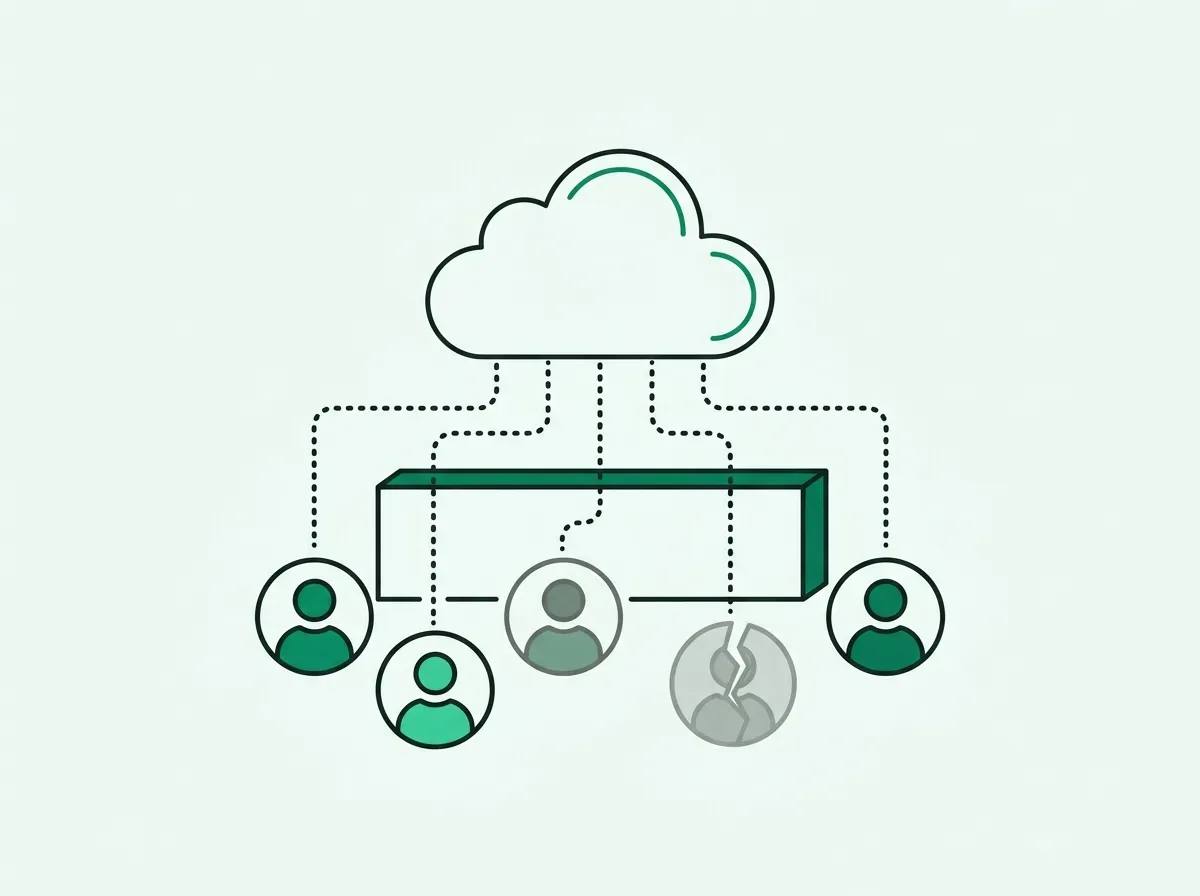
Most lead generation tools run automated scripts from servers in a data center. This approach is scalable, but it creates a fundamental problem: their activity does not look human. Platforms like LinkedIn are built to identify and block traffic originating from known data center IP ranges. They use IP reputation databases and behavioral analysis to flag automated activity, resulting in CAPTCHAs, rate limits, and failed jobs.
To circumvent this, some services route traffic through residential proxy networks, a rapidly growing market that introduces its own performance and ethical questions. Many other platforms do not scrape live data at all. They resell contacts from large B2B databases, which means the data is, by definition, not current. B2B contact information degrades at an annual rate of 22.5% to over 70%. This decay is why purchased lists often have email bounce rates of 10% to 30%, compared to the sub-2% benchmark for a healthy list.
Our Approach: Automating Your Own Browser
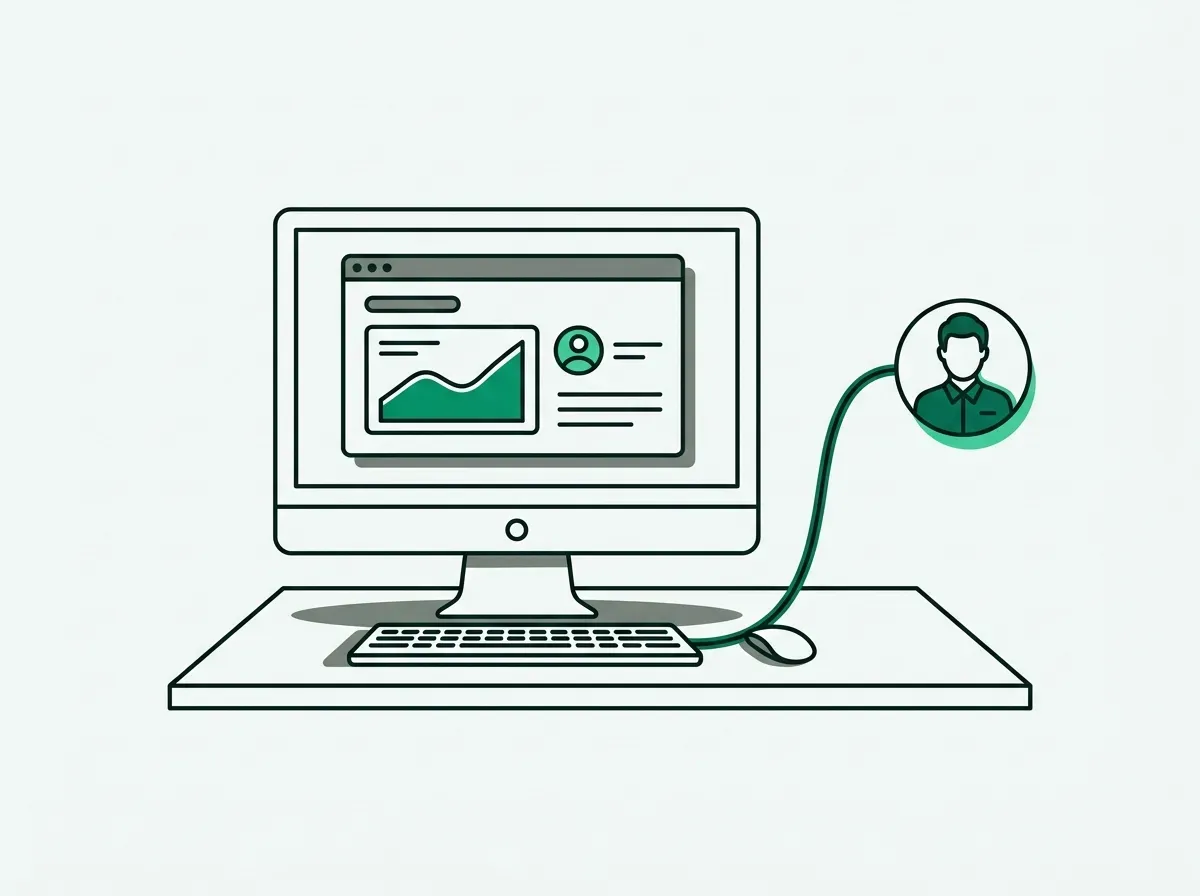
Drevon is a desktop application that automates a browser running locally on your machine. It uses your existing, logged-in sessions for platforms like LinkedIn, Reddit, or Crunchbase. All requests originate from your IP address and your authenticated account.
This means Drevon's activity appears as normal human browsing. Advanced bot detection systems analyze subtle behavioral patterns like mouse movements and typing cadence to differentiate real users from bots. Because our agent is automating your local browser, its patterns are indistinguishable from your own. The result is reliable access to live, first-party data. Drevon sees exactly what you see, including information personalized to your network that a generic cloud scraper cannot access. This method works with, not against, a platform's terms of service, which typically prohibit unauthorized scraping from third-party servers.
The Trade-Off: Availability for Data Quality
The primary limitation of our approach is that your computer must be on, with Drevon running, for an agent to complete its work. This is a conscious engineering decision. We prioritize the quality and accuracy of the final results over the convenience of a fully cloud-based service.
A cloud scraper might claim to run 24/7, but its access is often throttled, blocked, or reliant on stale information. A lead from a major B2B database can have an email accuracy rate as low as 65-78%, reflecting data that is months or even a year out of date. We believe the significant increase in data fidelity is worth the requirement of running a task on your own machine for the 10-15 minutes it takes.

Better Signal Produces Better Leads
The goal of lead research is not just a list of names. It is a list of potential customers with verifiable intent. Accessing live, high-fidelity data directly from the source is the most reliable way to find that signal.
By running locally, Drevon can identify recent posts, new job titles, and fresh comments—signals of intent that do not exist in a static database. This produces more accurate and actionable leads. Cloud-based automation has its place, but for high-stakes GTM research, data quality is the most important variable. Running locally is how we guarantee it.
You can download Drevon to see the difference in results.
