Time-to-List vs. Time-to-Reply: A New Framework for Growth
Many growth teams measure the speed of list generation. We argue this is the wrong metric and propose a better one: Time-to-First-Reply, which measures the entire GTM process from idea to conversation.
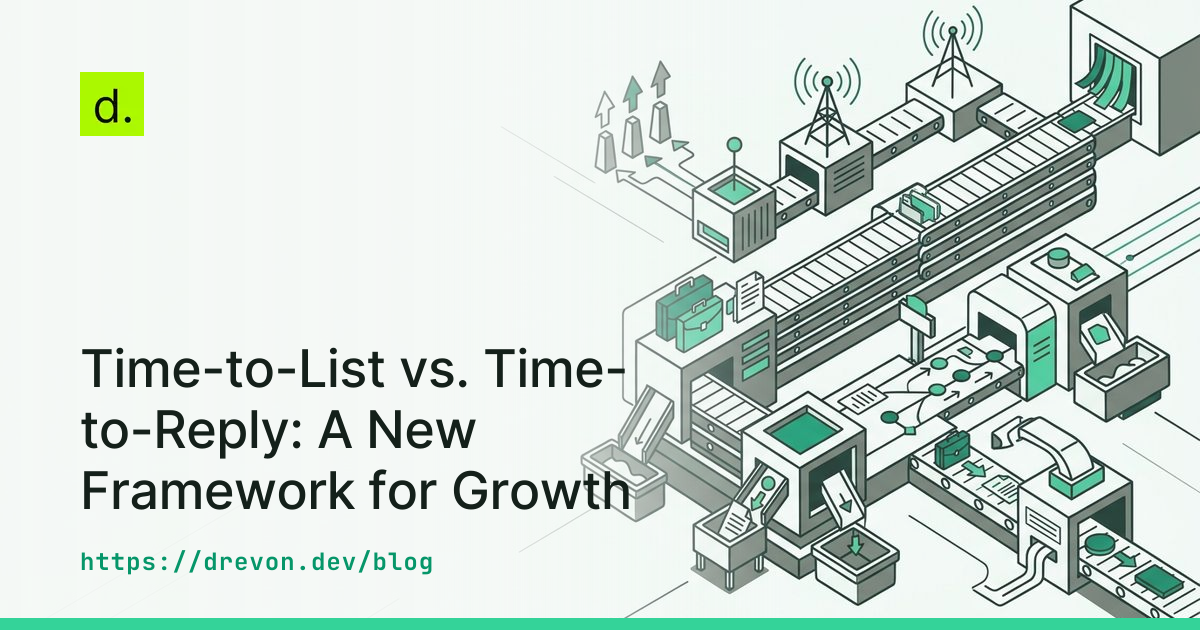
The only number that measures the efficiency of a go-to-market motion is the time from your initial idea to a qualified prospect’s first reply. Many growth tools market the speed of list generation, but this metric ignores the most important factors: lead quality and actionability. A fast, low-quality list creates more work than it saves, burying teams in manual verification before any outreach can begin.
The Problem with Time-to-List
The promise of a fast list is appealing, but it optimizes for a vanity metric. It encourages a volume-based approach that creates a 'list-building treadmill,' where teams are always busy generating leads but rarely starting conversations. This is because the initial list is just the first step in a much longer process.
First, the data is often inaccurate. B2B contact data decays at a rate of 22.5% per year, according to original research from MarketingSherpa. This means nearly a quarter of a purchased list can be obsolete on arrival, leading to bounced emails and wasted effort. Second, even with accurate contact information, the list lacks context. According to HubSpot's 2024 State of Sales Report, 67% of sales representatives spend at least 11 hours weekly on research and follow-up. They are manually verifying titles, understanding company needs, and finding a reason to reach out.
A list generated in 10 minutes can easily create 10 hours of manual labor to become usable. Speed of generation is irrelevant if the output is not actionable.

A Better Metric: Time-to-First-Reply
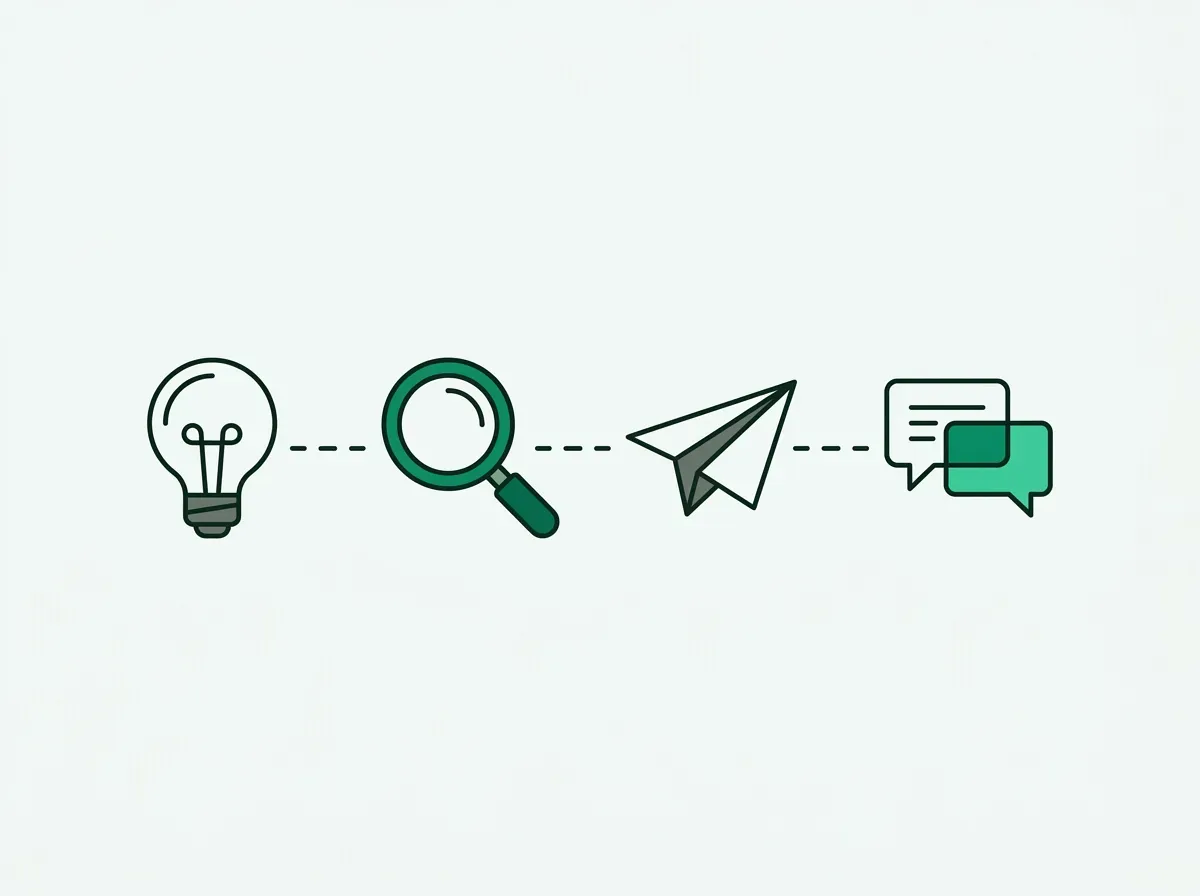
We measure the entire GTM process, from hypothesis to conversation. This gives a true picture of efficiency. We break this down into four stages.
- Brief: Defining the ideal customer profile and a specific, verifiable intent signal. For example, 'companies that just hired a new VP of Engineering.'
- Generation: Finding, verifying, and enriching leads that match the brief. This is where most tools stop measuring.
- Outreach: Writing personalized copy and sending the first message.
- Reply: Receiving the first response from a prospect, which opens a conversation.
This full-funnel view correctly measures the time it takes to go from an idea to a potential customer interaction. It accounts for data quality, relevance, and the human effort required to start a real conversation.
Our Internal Data on the Full Funnel
We ran a typical task in Drevon to measure this process, using the following prompt:
Find 50 US-based SaaS companies that recently raised a Series B and are hiring for sales roles.
Here is the breakdown of the time and results:
| Stage | Time Taken | Result |
|---|---|---|
| Brief-to-Generation | 11 minutes | 50 companies, 47 verified contacts |
| Generation-to-Outreach | ~50 minutes | Personalized copy written for 47 contacts |
| Outreach-to-Reply | ~24 hours | 4 replies (8.5% reply rate) |
The 'Generation-to-Outreach' time is an estimate, assuming approximately one minute per contact for a human to review and lightly edit AI-suggested copy. The first replies arrived within 24 hours of sending.
For intent-based campaigns like this, we see an average reply rate of 8-12%. This is significantly higher than the industry average. A 2024 Belkins report analyzing 16.5 million emails found the average reply rate has fallen to 5.8%. The total Time-to-First-Reply for our campaign was approximately 25 hours, not 11 minutes. The bottleneck was not lead generation, but the time required for thoughtful outreach and the prospect's response.
What to Measure Next
Stop optimizing for list speed. Start measuring your Time-to-First-Reply. Audit your current process and map the time it takes to get from a growth hypothesis to a real conversation. Identify your biggest bottleneck.
If your team spends hours verifying and enriching low-quality leads, the initial list is your problem. High-quality, intent-driven leads reduce the time needed for manual research and personalization, leading to reply rates that significantly outperform industry benchmarks. Quality inputs lead to quality outputs.
If your primary bottleneck is sourcing actionable leads with clear intent, you can run a task in Drevon.