What Proof of Intent Really Means
Most intent data is an opaque score. We define proof of intent as a transparent, verifiable standard: a link, a quote, and a date that turns a guess into an actionable instruction for sales.
What Proof of Intent Really Means
The Problem with Black Box Intent Scores
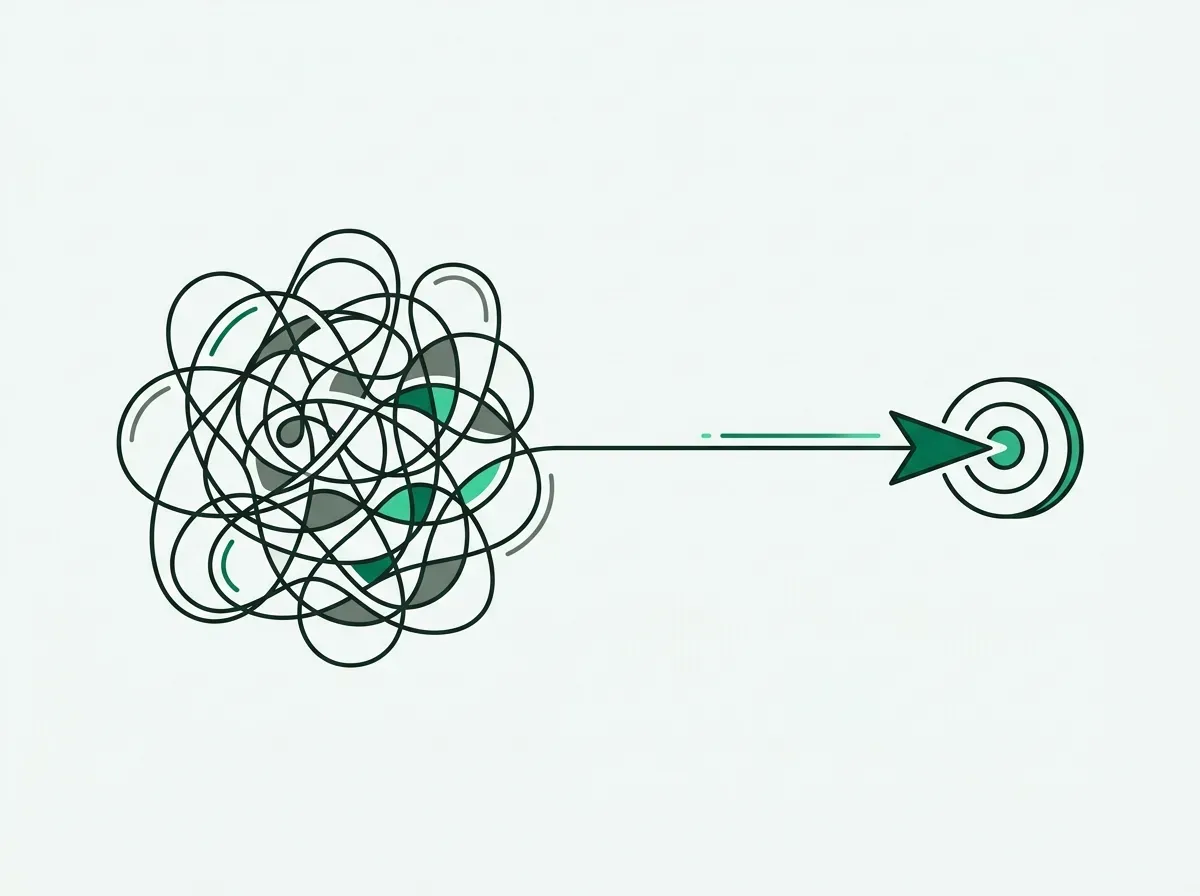
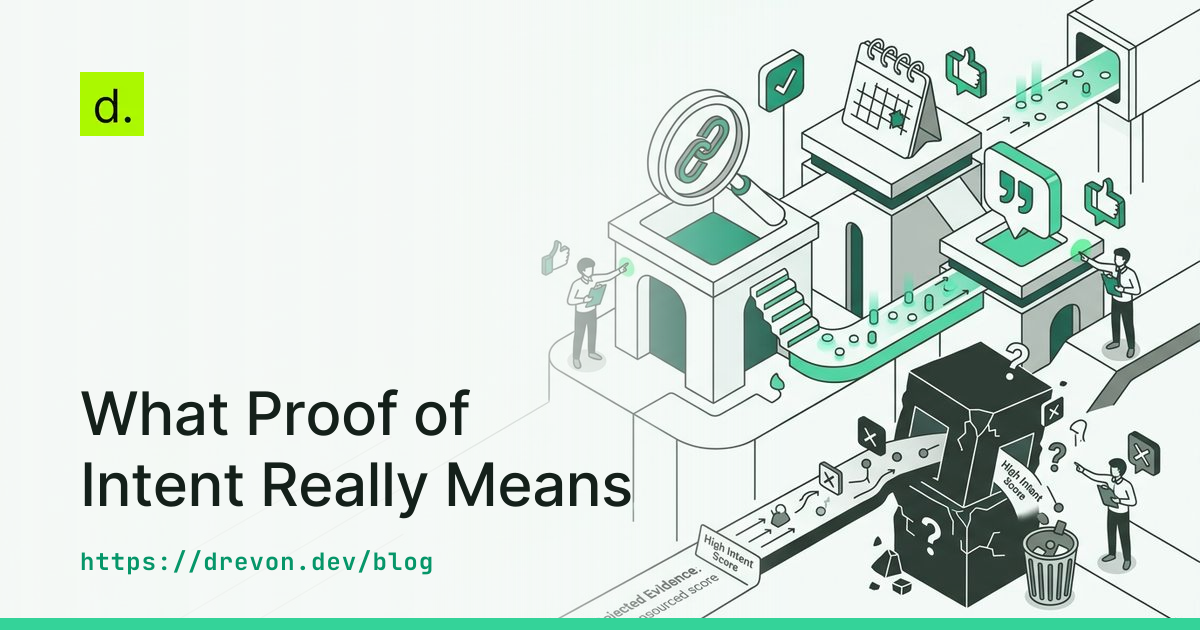
Most intent data is delivered as an opaque score. A lead is labeled ‘high-intent’ or given a numerical rating, but the underlying reason is hidden, forcing go-to-market teams to guess why a prospect might be interested. This is worse than having no information at all; an unsourced score creates false confidence and wastes resources on generic outreach.
When sales teams cannot see or verify the logic behind a score, they lose trust in the system. This is a primary cause of friction and misalignment between sales and marketing. According to Gartner research, for 62% of accounts flagged with intent, there is no corroborating activity in the company’s CRM within 30 days. The signal is a ghost, and the sales team learns to ignore the model.
An unactionable score is a vanity metric. It obscures the specific problem a buyer is trying to solve, leading to outreach that feels irrelevant. Without context, personalization is impossible, and the opportunity is lost.

Our Standard: The Three Components of Verifiable Proof
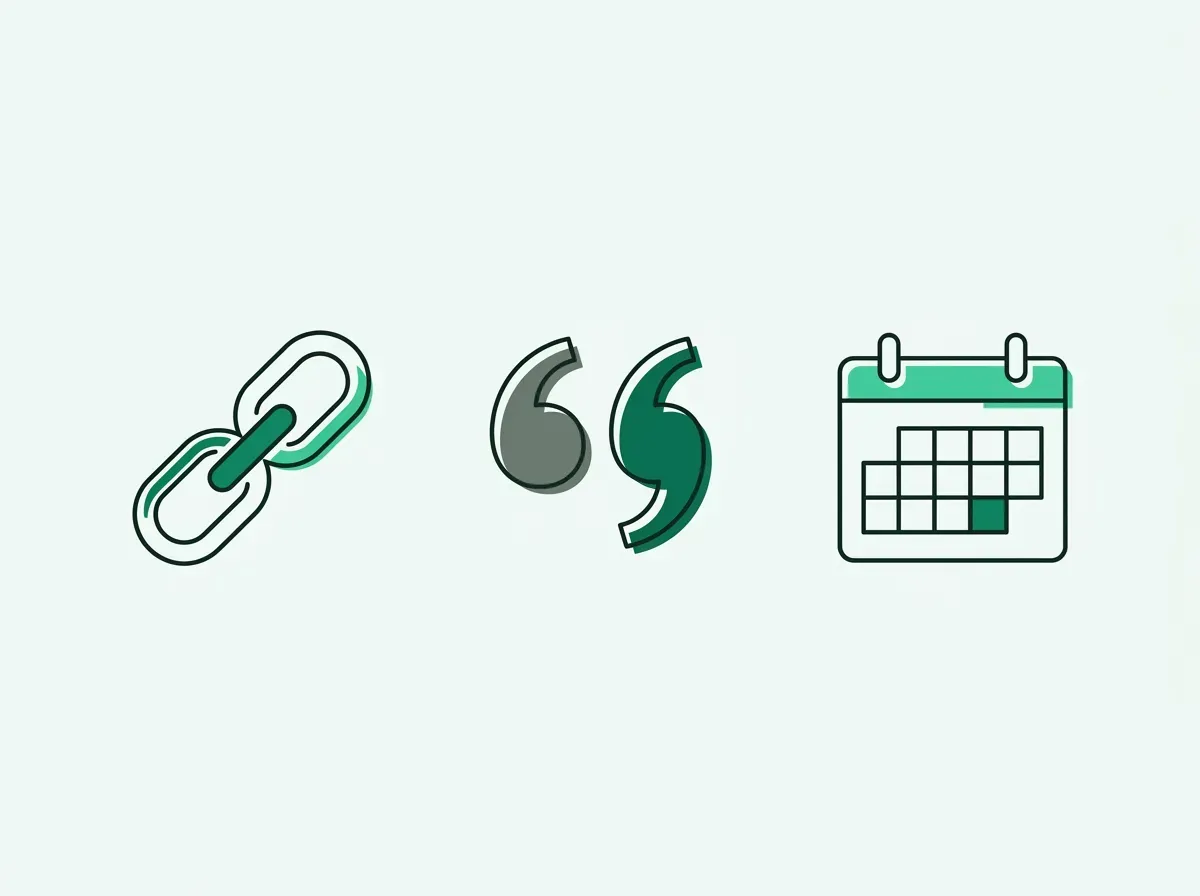
We define proof of intent with a simple, transparent standard. Every lead must be accompanied by verifiable evidence composed of three parts: a link, a quote, and a date. This structure turns an abstract score into an actionable instruction.
1. The Link
A direct URL to the source of the signal. This could be a comment thread on Reddit, a post on LinkedIn, a news article announcing a new company initiative, or a transcript from a podcast. The link provides complete context and allows for deeper research.
2. The Quote
The exact text that demonstrates intent. This is the specific phrase or question that reveals a need, such as, “we are currently evaluating new data platforms,” or “does anyone have a recommendation for an SOC 2 compliance tool?” The quote is the core of the evidence.
3. The Date
The timestamp of the signal. Intent decays quickly. According to a Forrester report, the value of an intent signal has a limited window and is “measured in days, not quarters.” A signal from yesterday is valuable; one from six months ago is an artifact. The date establishes urgency and relevance.
Signal vs. Noise: Examples We Accept and Reject
Our standard is designed to eliminate ambiguity. If a potential signal lacks any of the three components, we consider it noise. Here are examples of what qualifies as proof and what does not.
Strong Proof (Accepted)
- A founder on Reddit asks for recommendations for a tool to automate their “build-in-public” marketing by generating tweets from their Git commit history. This provides a link to the thread, a direct quote of the need, and a date.
- A marketing director posts on LinkedIn asking for introductions to agencies with experience in migrating from HubSpot to Marketo.
- A company posts a job description for a new data scientist that lists experience with a competitor's product as a required skill.
Weak or Ambiguous Signals (Rejected)
- An employee visits your pricing page. This is a common but weak signal. It lacks context. Was it a competitor, a student doing research, or a current customer? Without a quote or a stated problem, it is not actionable proof.
- An executive likes a competitor's post on LinkedIn. This is a low-effort engagement. It does not prove they are in a buying cycle or have a specific need.
- A company is researching a topic on a publisher network. Many intent data providers aggregate third-party data to show that a company is reading about a topic like “marketing automation.” This is a probabilistic signal, not deterministic proof of a specific, active need.
From Guesswork to Actionable Evidence
Basing outreach on verifiable proof changes the entire motion. It shifts the goal from volume to precision. Instead of a generic opening, a sales team can lead with specific, helpful information.
Before: “I see you’re in the market for a new marketing solution.”
After: “I saw your comment on r/SaaS about finding a brand monitoring platform that can track mentions on TikTok and G2. We built our tool to solve that specific problem.”
This level of relevance has a direct impact on results. A 2024 analysis of over 20 million sales emails by Woodpecker found that personalized outreach doubles reply rates, achieving an 18% average compared to 9% for non-personalized messages. More importantly, it impacts revenue. Accounts prioritized with clear intent signals convert to closed opportunities at a rate of 21.3%, more than double the 8.4% rate for non-prioritized accounts.
The next step is to evaluate your own lead sources. Stop accepting opaque scores and start demanding the underlying evidence. An intent signal without proof is just a guess.